

India’s air cargo industry is not just growing—it’s transforming. As the country positions itself as a global logistics hub, a parallel revolution is happening behind the scenes: a sweeping modernization of safety protocols and a smarter, more integrated insurance framework. This dual focus is building a foundation of trust essential for handling the world’s most sensitive shipments, from life-saving pharmaceuticals to cutting-edge electronics.
The New Safety Playbook: Tech, Rules, and Accountability
Gone are the days when safety was just about careful handling. India is deploying a multi-layered strategy to make air cargo one of the most secure links in the global supply chain.
1. Stricter Rules for Dangerous Goods
The recently introduced Aircraft (Carriage of Dangerous Goods) Rules, 2025 mark a significant leap. By aligning with the latest International Civil Aviation Organization (ICAO) standards and mandating digital declarations, these rules bring unprecedented transparency and reduce human error in handling hazardous materials.
2. The Audit Culture Takes Root
The Directorate General of Civil Aviation (DGCA) has moved beyond routine checks. Its expanded special audit framework now scrutinizes cargo operations across the entire chain—airlines, airports, and ground handlers. This culture of accountability ensures that safety is not an afterthought but a core operational standard.
3. Technology as the Ultimate Guardian
On the ground, AI-powered screening systems are learning to detect anomalies that might escape the human eye. In the digital realm, blockchain-based tracking provides tamper-proof, end-to-end visibility for shipments. The widespread adoption of the electronic airway bill (e-AWB) is eliminating paper trails, drastically cutting down on manual errors and potential fraud.
4. Smarter Logistics for a Competitive Edge
In a strategic move to boost efficiency, India has eased transit rules. Secure transfer cargo no longer faces mandatory re-screening under strict conditions. This reduces costs and transit times, directly supporting the ambition to become a major transshipment hub for the region.
The Insurance Evolution: From Mandate to Risk Partner
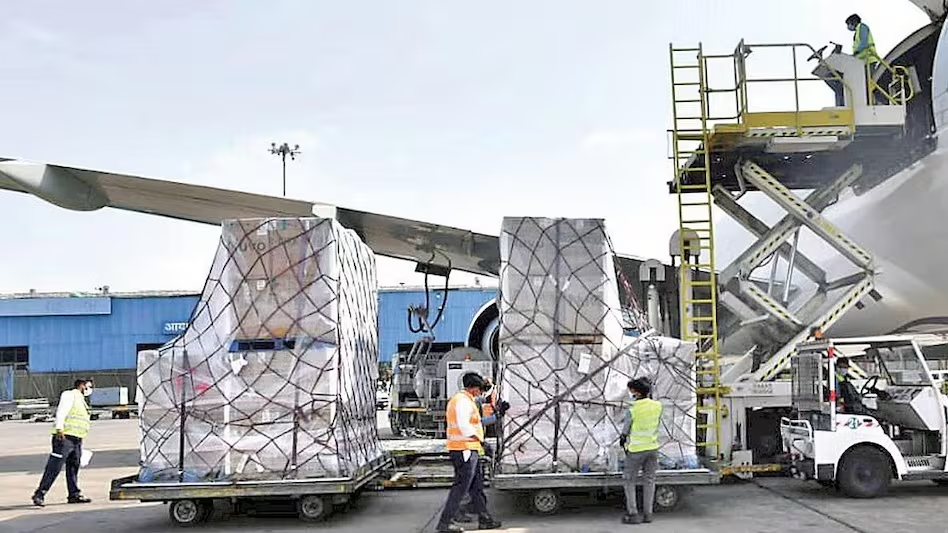
Insurance in air cargo is transitioning from a simple regulatory checkbox to a dynamic component of risk management.
The Regulatory Bedrock
The framework is solid. The Carriage by Air Act, 1972, makes insurance compulsory for air carriers, providing clear legal recourse. This is overseen by the Insurance Regulatory and Development Authority of India (IRDAI), which ensures the sector’s stability.
A Smarter Insurance Ecosystem
The real change is in practice. Insurers and shippers are now focused on accurate declared value, which is crucial for fair claims. There’s a growing emphasis on preventive risk mitigation—where good safety practices can lead to better premiums. Furthermore, the industry’s shift to digital documentation is making the claims process faster and more transparent, building confidence with international partners.
The Digital Surge in Insurance
Mirroring the cargo sector’s tech adoption, over 90% of retail insurance policies in India are now issued digitally. Insurers are employing AI for claims processing and fraud detection, making coverage more affordable, accessible, and efficient for businesses of all sizes.
Growth Amidst Transformation
This focus on safety and financial security isn’t happening in a vacuum. It’s fueling and is fueled by remarkable growth:
- Cargo throughput has surged from 2.1 million tonnes in 2014 to over 3.26 million tonnes in 2024.
- The ambitious target is to reach 10 million tonnes per year by 2030.
- This growth is driven by e-commerce and high-value exports like pharmaceuticals, electronics, and automotive goods.
Navigating Persistent Challenges
The path forward has its hurdles. The industry globally, including India, contends with an ageing cargo fleet (global average: 25.6 years), which can impact safety and efficiency. High logistics costs and limited domestic maintenance, repair, and overhaul (MRO) capacity also present ongoing challenges that the modernization drive aims to solve.
The Road Ahead: Integration and Investment
India’s vision is clear. The future lies in the complete integration of safety, tracking, and financial data. Imagine a system where a sensor detecting a temperature excursion in a Pharma shipment automatically triggers an alert and initiates the insurance process. Strategic investments are making this a reality:
- Infrastructure: Upgrading cargo terminals and cold-chain facilities at major hubs.
- Fleet: Plans to induct 80 new freighters by 2045 to modernize the fleet.
- Digital Integration: Pushing platforms like e-Sanchit for paperless customs clearance.
💡 The Bottom Line
India’s air cargo sector is building more than just infrastructure; it’s building resilience. By weaving together tighter regulations, intelligent technology, and a proactive insurance approach, the industry is reducing vulnerabilities and creating a predictable, reliable environment for global trade. This holistic upgrade is the true cargo in India’s hold, promising a smoother, safer journey for every shipment that takes to the skies.
What aspect of this high-stakes logistics transformation do you find most critical for global trade? Let me know your thoughts in the comments.
Disclaimer: This blog post is based on current industry trends and regulatory developments. Specific insurance or safety requirements should always be verified with relevant authorities and service providers.


